
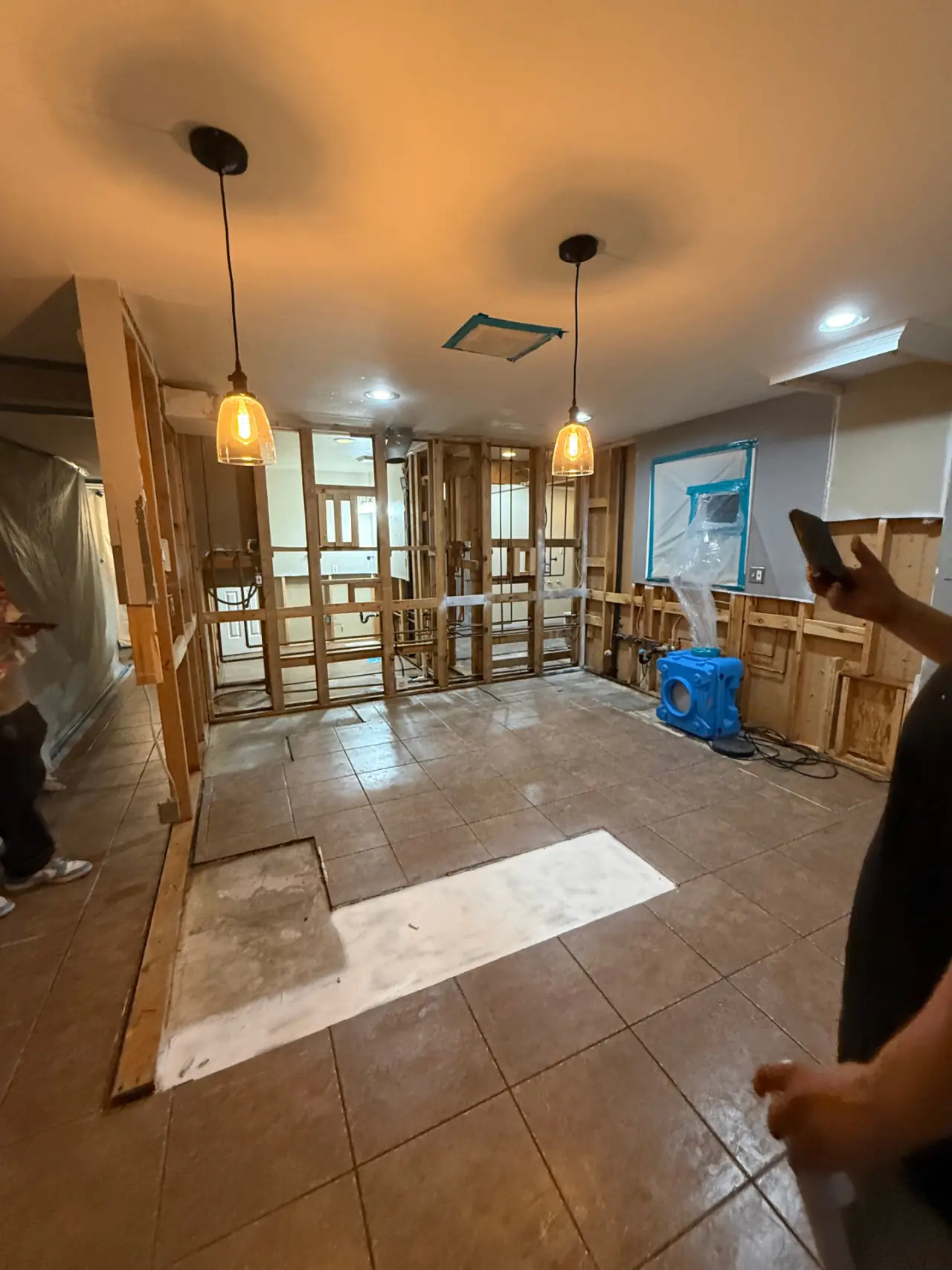
Water Mitigation in Paradise Valley
Drying Paradise Valley Homes Properly After the Water Is Gone
Once standing water is out, the real work is drying what you cannot see: slab, framing, cabinet bases and the backs of stone and wood finishes. Triology Restorations provides water mitigation in Paradise Valley with moisture mapping, drying equipment and daily readings until each room reaches its goal. Owners and house managers can reach a person at 480-772-0058 any hour.
- Moisture mapping and daily readings
- Free inspection and written drying records
- Licensed, bonded and insured, ROC #347115
- A live person on the phone 24/7
Services in Paradise Valley
What happened at your property?
- Water Damage RestorationExtraction, drying and restoration
- Emergency Water ExtractionStanding water removed fast
- Burst Pipe CleanupPipe, water heater and appliance leaks
- Flood Damage RestorationMonsoon and flood cleanup
- Ceiling Water DamageLeaks through the ceiling, dried and restored
- Water Mitigation and DryingMoisture mapping and structural drying
- Mold RemediationContainment, removal and the moisture source
- Fire and Smoke DamageSoot, smoke odor and firefighting water
- Commercial RestorationOffices and commercial properties
What Our Customers Say
Real reviews from homeowners and businesses across the greater Phoenix area.
Why Desert Air Does Not Dry a Wet Wall
The Town's stormwater plan lists mean annual precipitation of 8.39 inches at the Paradise Valley weather station. The air outside is dry most of the year, and it is easy to assume a wet house will dry out by itself. It does not work that way. Houses in Arizona are mostly built on concrete slabs, and water that soaks into concrete, the bottom plate of a wall or the underside of a vanity stays there long after the room feels dry.
Water damage mitigation in Paradise Valley is about controlling that hidden moisture. We measure it, set equipment to pull it out of the materials, and keep measuring until the numbers say the structure is dry. Leaving damp framing or a wet slab edge closed up is how a water loss turns into a mold problem months later.
Water damage restoration in Paradise ValleyStructural Drying in Paradise Valley, From Map to Final Reading
Every drying job follows the same sequence. On a large estate, we run it zone by zone.
- Step 1
Moisture Map
We take readings in floors, walls, cabinets and ceilings and sketch the wet area room by room. The map becomes the plan and the baseline.
- Step 2
Set Drying Goals
We take reference readings in dry, unaffected areas of the same house. Those become the targets the wet materials have to reach.
- Step 3
Place Air Movers and Dehumidifiers
Air movers push air across wet surfaces and dehumidifiers pull the moisture out of the room. Where a wall cavity or cabinet base holds water, we open or vent it so air can reach it.
- Step 4
Monitor Every Day
We return to read the same points, adjust equipment and remove any material that is not drying. You or your manager get the numbers.
- Step 5
Confirm Dry and Close Out
When each zone meets its goal, the equipment comes out and we hand over the drying log with photos and readings.
Not sure what you need?
Call and a live person will walk you through it, any hour, or request a free inspection.
What Makes Water Damage Drying in Paradise Valley Different
The housing here shapes the drying plan more than the size of the leak does.
A Median Build Year of 1985
In Census estimates, the median Paradise Valley home was built in 1985. Many houses have been updated room by room since then, so one wing may have different flooring and cabinetry than the next, and we read each material rather than assume.
Large Single-Family Footprints
With 96.0 percent of homes single-family detached on big parcels, a drying job can mean many rooms and several separate zones running at once.
Stone, Wood and Custom Cabinetry
Natural stone and solid wood hide water underneath. We check the substrate below them and dry in place where the readings allow it.
Detached Guest Houses
A casita has its own walls, slab and often its own AC. It gets its own map, its own equipment and its own line in the log.
Water Damage Mitigation in Paradise Valley Without Disrupting the Household
Drying equipment runs around the clock and makes noise. On an estate with staff, guests or tenants in a guest house, that matters. We plan where units sit, which rooms stay closed and how power is shared, and we review that plan with you or your property manager before we set anything.
We also think about valuable contents. Rugs, art and furniture are moved or blocked up off wet floors, and we photograph them first. If something needs a specialist, we tell you instead of guessing.
What We Agree On Before Drying Starts
- Which rooms and buildings are in the drying zone
- Where equipment sits and which circuits it uses
- Who receives the daily readings
- How contents are moved and protected
Water Remediation in Paradise Valley and Your Insurance Claim
The drying log is often the most useful document in a water claim. It shows what was wet, how wet, and how long it took to dry. With your permission we share it with your adjuster and prepare a restoration scope from it. Your carrier decides coverage, deductibles and approval.
If water is still on the floor, start with our water extraction page for Paradise Valley. If the source was a ceiling leak, our ceiling water damage page explains that side.
Water extraction in Paradise ValleyReady for a free inspection?
We look at the damage, document it and explain the next steps before any work starts.
More on Drying and Related Work
Pages that pick up where this one stops.
Ceiling Water Damage in Paradise Valley
Drying a ceiling cavity and the insulation above it after a roof or AC leak.
Paradise Valley Restoration Company
Water, mold, fire and sewage work across town.
Water Mitigation Overview
How structural drying works across the Phoenix Valley.
Contact Our Team
Request a free inspection or ask a question about a drying job.
Common Questions
Still have a question? Ask us directly.
24/7 Emergency Response
Property Damage Cannot Always Wait Until Tomorrow
Call Triology Restorations for responsive residential and commercial restoration services throughout the Phoenix Valley.
Available 24/7 for emergency calls.
Request an Inspection in Paradise Valley
Tell us what happened and a member of the Triology Restorations team will contact you.
Call 480-772-0058