24/7 water extraction and removal
Emergency Water Removal and Extraction for Phoenix Valley Properties
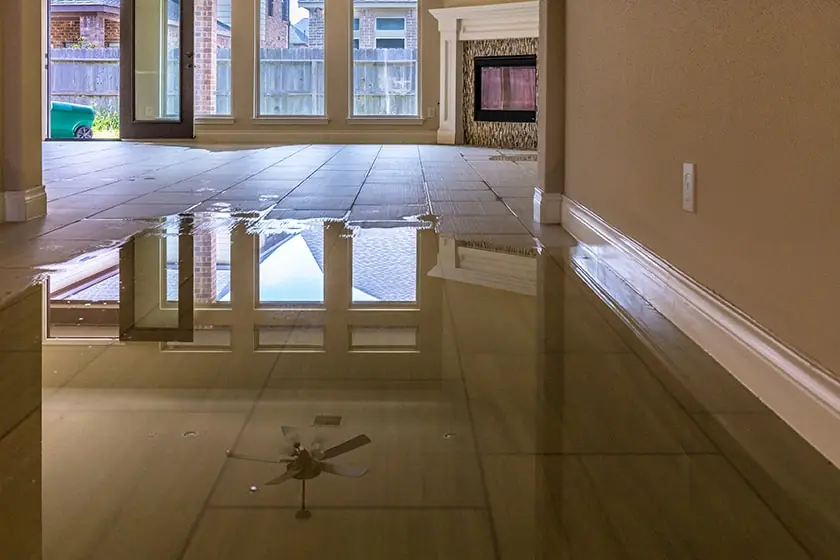
When a pipe, appliance or storm leaves water on your floors, emergency water removal is the first job, because water keeps moving into flooring, walls and framing for as long as it sits. Triology Restorations provides water extraction for homes and commercial properties throughout the Valley, and someone picks up the phone 24/7. Tell us what happened, and we will explain what needs to happen next.
- 24/7 emergency service with a live answer, no call centers
- Free inspection of the affected area
- Arizona ROC licensed contractor, license #347115
- Licensed, bonded and insured
- Residential and commercial properties
What Our Customers Say
Real reviews from homeowners and businesses across the greater Phoenix area.
What Emergency Water Extraction Involves
Water extraction is the physical removal of liquid water from a structure. It comes before drying, before repairs begin and before anyone can judge what is salvageable. Pumps and extraction units pull pooled water off hard floors and out of carpet and pad, so the drying phase begins with surfaces that are damp instead of submerged.
Emergency water removal is not the same job as a mop and a wet vacuum, because the water you can see is only part of the problem. Water wicks up drywall, soaks into baseboards and travels under flooring toward the lowest or most absorbent spot. Extraction equipment and moisture detection work together, so we find and remove water from places you would not think to check.
Extraction is one phase of a complete restoration. Once the bulk of the water is out, our team moves into structural drying and dehumidification, and we document conditions along the way. Our water damage restoration overview shows how the phases fit together.
See the full water damage restoration overviewSituations That Call for Standing Water Removal
Standing water shows up in Arizona properties for a handful of recurring reasons. These are the ones we see most often.
Supply Line and Appliance Failures
A failed washing machine hose, dishwasher line or ice-maker line can put water across a kitchen or laundry room overnight. Hard water wears on fittings and hoses over the years, so these failures often arrive without warning.
AC Condensate Overflow
Heavy summer AC use can overload condensate lines and attic drain pans. The water collects above a ceiling, then drops to the floor below and spreads through carpet and pad.
Monsoon Rain and Roof Leaks
Sudden heavy rain and wind-driven roof leaks can put water into living rooms, hallways and offices. Many Arizona homes have flat or low-slope roofs, which hold water longer and give it more ways in.
Empty Homes and Hidden Leaks
Seasonal and winter-visitor homes sit empty for months, so a leak can run undetected until someone walks back in. By then the standing water may have reached most of the floor plan.
Not sure what you need?
Call and a live person will walk you through it, any hour, or request a free inspection.
How Our Team Performs Water Extraction
Every property is different, but the order of work stays consistent.
- Step 1
Safety and Source Check
We look at the property first. We note where the water came from, whether it has stopped and which areas are unsafe to enter. If outlets or electrical equipment are near standing water, we ask you to stay out until it is safe.
- Step 2
Moisture Detection
Moisture readings locate water that is not visible, including wet drywall, insulation and subfloors. This tells us how far the loss extends before any equipment is placed.
- Step 3
Standing Water Removal
Pumps and extraction units take pooled water off the floor. The aim is to get as much liquid out as possible before the drying equipment goes in.
- Step 4
Carpet and Pad Extraction
Carpet and padding hold a surprising amount of water. We extract from them directly and judge whether the pad or other materials should come out instead of being dried.
- Step 5
Documentation and Drying Plan
We photograph the affected areas and record readings, then set up the plan for the drying phase. The same records support a restoration scope if an insurance claim is involved.
Carpet Water Extraction and Wet Carpet Drying
Carpet is one of the most common materials we find soaked. Carpet water extraction pulls water out of the fibers, the backing and the pad beneath. Wet carpet drying follows, using air movement and dehumidification to bring the materials back toward normal moisture levels.
Whether carpet can be dried in place or has to be removed depends on the facts of the loss. Water from a clean supply line is treated differently from water that has touched sewage or outdoor flood water, and we tell you what we find before any decision is made.
What decides whether carpet stays
- How long the carpet and pad stayed wet
- The source and type of the water
- Moisture readings in the pad and the subfloor
- The condition of the carpet backing
- Whether the pad can dry in place
What to Do While You Wait for Our Crew
These steps protect people and belongings until we arrive. Only do what is safe.
- Shut off the water source, but only if reaching it is low risk
- Keep clear of outlets and electrical panels close to wet areas
- Move small items and rugs off wet floors
- Lift furniture legs off wet carpet
- Take photos and video of the water and the damage
- Keep children and pets out of wet rooms
- Call 480-772-0058 and describe what happened
Do not run a household vacuum over standing water, and do not enter a room with a sagging ceiling.
Ready for a free inspection?
We look at the damage, document it and explain the next steps before any work starts.
Residential and Commercial Water Cleanup
In a home, water cleanup most often centers on kitchens, bathrooms, laundry rooms and hallways. Property owners want to know what can stay and what has to go, and we walk through that room by room so the decisions are clear.
In offices, restaurants, retail spaces and multi-unit buildings, downtime costs more than the water itself. We work with property managers and business owners to extract water quickly and plan the drying around how the space is used. Rentals add another layer, since landlords, managers and tenants all need accurate information.
Commercial restoration servicesInsurance and Water Extraction Records
An extraction job often becomes an insurance claim. Before we pump anything, we photograph the water and the affected rooms, so the record shows conditions as they were. Readings and a written restoration scope follow. If you want us to, we speak with your adjuster directly, and direct billing is an option when it is approved and applicable.
Decisions on coverage, deductibles and approval rest with your carrier. We never promise an outcome on a claim, but the record we build is thorough.
How we help with insurance claimsService Areas
Emergency Water Extraction by City
24/7 Emergency Response
Property Damage Cannot Always Wait Until Tomorrow
Call Triology Restorations for responsive residential and commercial restoration services throughout the Phoenix Valley.
Available 24/7 for emergency calls.
Request an Inspection
Tell us what happened and a member of the Triology Restorations team will contact you.
Call 480-772-0058