
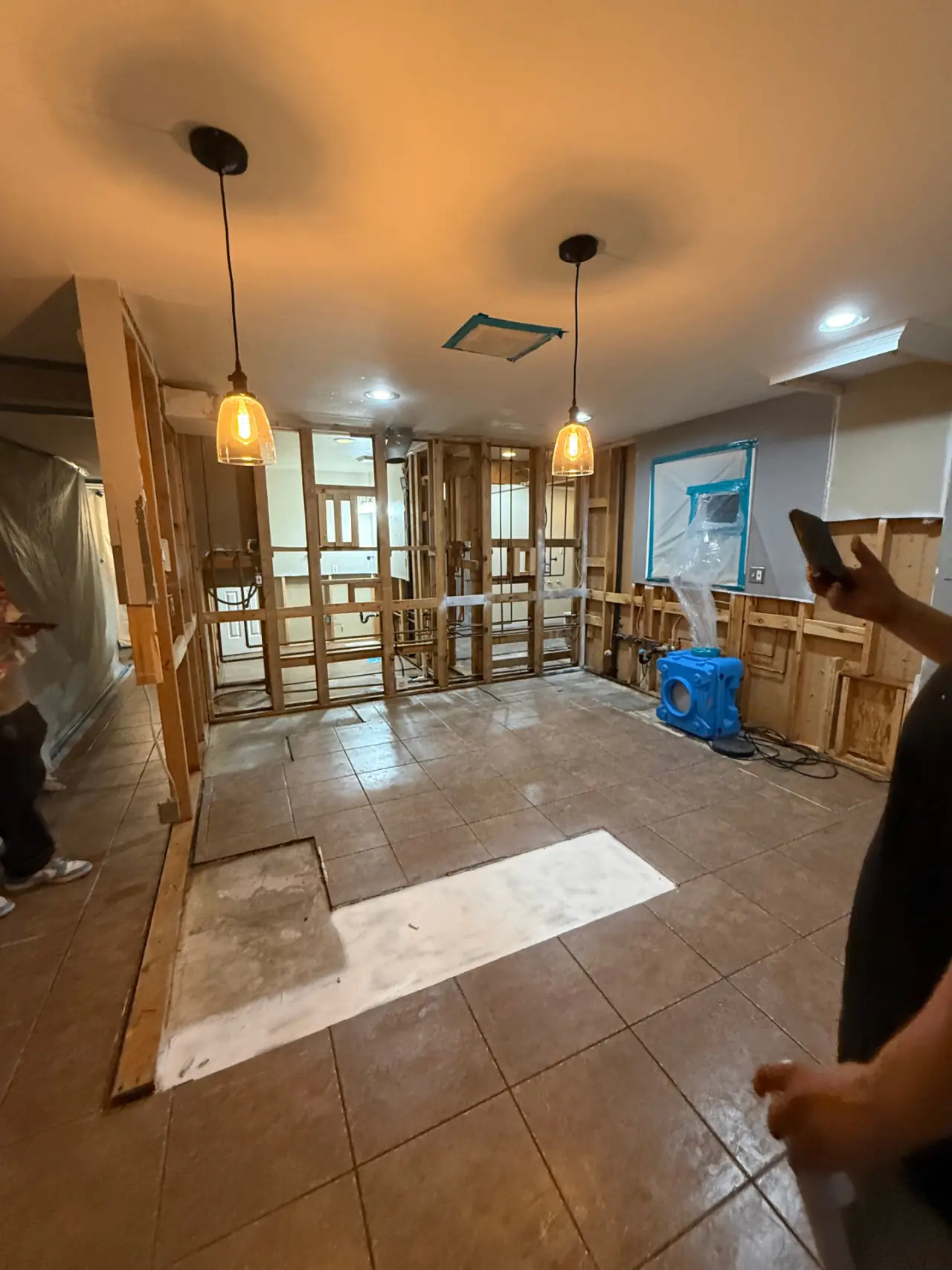
Leak detection in walls and ceilings
Water Leak Detection for Walls and Ceilings in the Phoenix Valley
A hidden water leak inside a wall or ceiling can soak drywall, insulation and framing for weeks before a stain gives it away. Triology Restorations provides water leak detection for homes and businesses across the Valley, using moisture readings and a careful visual inspection to trace where the water is coming from and how far it has gone. Call 480-772-0058 any hour and a real person picks up.
- We trace leaks hidden in walls and ceilings
- Licensed by the Arizona ROC, license #347115
- A real person answers every call, day or night, plus a free inspection
- Homes, rentals and commercial buildings
What Our Customers Say
Real reviews from homeowners and businesses across the greater Phoenix area.
What Our Leak Detection Covers
Our leak detection work has one focus: water that is getting into walls and ceilings where you cannot see it. That includes supply lines running through interior walls, drain lines above a ceiling, an upstairs bathroom or laundry room, and an AC closet or attic line that has started to drip. If the water is showing up somewhere inside the living space of a building, this is the service that tracks it down.
We keep the scope narrow on purpose. Leaks under a concrete slab, in a pool or spa, and in irrigation lines are outside what we do, and we do not repair pipes or fixtures of any kind. Being clear about that up front saves you time. When the source turns out to be one of those, we tell you so and point you to a licensed plumber.
Once the source is known, the water damage it caused is our work. That is where most of our time goes, and it is what the rest of this page explains.
Signs of a Hidden Water Leak
Most leaks inside walls and ceilings announce themselves slowly. These are the clues worth a call.
- A stain, ring or bubbling paint on a wall or ceiling
- A musty smell in one room or closet
- A soft, swollen or warped baseboard
- A water bill that jumped with no change in use
- The sound of running water when every tap is off
- A damp spot below an upstairs bathroom or laundry room
- Dripping near the AC closet or from an attic line
One sign on its own can have a simple cause. Two or more in the same area usually means water is moving somewhere it should not.
Not sure what you need?
Call and a live person will walk you through it, any hour, or request a free inspection.
How We Look for a Water Leak in a Wall
A water leak in a wall rarely shows up where it starts. Water runs down studs, wicks sideways through drywall and pools at the bottom plate, so the stain you notice may sit a few feet from the actual source. Finding it means reading the wall, not guessing at it.
We start with a visual inspection of the area and the rooms around it, then take moisture readings across walls, ceilings, flooring and the cabinets nearby. Mapping those readings shows where the wet area begins and ends, which points toward the source and tells us how much material has been affected. We explain what we find as we go, in plain terms.
What the inspection records
- Moisture readings at each wet location
- A map of how far the water has spread
- Photos of stains, swelling and other visible damage
- Notes on the likely source and what it connects to
- Which materials can dry and which may need to come out
When a Plumber Is the Right Call
Some leaks need a licensed plumber, either to find them or to fix them. Here is how the work splits.
Slab Leaks
A slab-on-grade foundation sits under most homes here, so a leak beneath the concrete is a plumber's job from locating it to fixing it. If wet flooring points to the slab, call a plumber first. We dry whatever it soaked.
Pool, Spa and Irrigation Leaks
Leaks in pool plumbing, spa lines or yard irrigation are outside our scope. A plumber or the right specialist handles those. If the water reaches the house, we take care of the damage inside.
Pipe and Fixture Repair
We do not repair pipes, valves, water heaters or fixtures. After we trace a leak inside a wall or ceiling, a licensed plumber makes the repair, and we work around that schedule.
Ceiling Leaks From Above
When water is coming through a ceiling, the cause might be a roof, an AC drain pan or an upstairs bathroom. We find where it is entering and handle the wet drywall and insulation below.
What Happens After the Leak Is Found
Finding the source is the first step. Our leak detection services carry straight into the water damage work.
- Step 1
Source Stopped
Water to the leaking line is shut off, and a licensed plumber repairs the pipe or fixture. Nothing dries properly while the leak is still feeding the wall.
- Step 2
Wet Materials Opened or Removed
Drywall, insulation and baseboards that will not dry in place are cut out. This also opens the cavity so air can reach the framing behind it.
- Step 3
Cleanup and Drying
Air movers and dehumidifiers dry the wall or ceiling cavity, flooring and cabinets. We check readings during the job until the structure is back to normal levels.
- Step 4
Mold Watch
A leak that ran for a while can leave mold growth behind the drywall. If we find it, we contain the area and address it as part of the job.
- Step 5
Documentation for the Adjuster
Photos, moisture readings and a restoration scope are kept from the first visit. With your authorization, we share them with your insurance adjuster.
Ready for a free inspection?
We look at the damage, document it and explain the next steps before any work starts.
Why Hidden Leaks Cause So Much Damage in Arizona
The air outside is dry for most of the year, and that leads people to assume a small leak will dry on its own. It does not work that way inside a wall. A closed cavity holds moisture against wood and drywall, and the dry air outdoors never reaches it. That trapped moisture is how a slow drip turns into soft framing or mold.
Several things common in the Valley make hidden leaks more likely. Hard water wears on supply lines and fittings. Summer AC use fills condensate lines and attic drain pans, which can overflow into the ceiling below. Monsoon storms push water through flat and low-slope roofs. Seasonal homes can sit empty for months while a leak runs unnoticed.
Our structural drying process is built for exactly this kind of water, the kind that soaked into the building rather than sitting on the surface.
How we dry walls, ceilings and cabinetsChoosing a Leak Detection Company Near You
Ask any leak detection company two questions before they arrive: what they do once the leak is found, and who handles the parts they do not. Our answer is simple. We trace water hidden in walls and ceilings, a plumber repairs the source, and our team handles the cleanup, drying, damaged materials and paperwork. Triology serves homes and commercial properties throughout the Valley, and you can check which areas we cover on our service areas page.
Tell us what you are seeing and where. We will let you know whether it sounds like something we should inspect or a job to start with a plumber.
See the areas we serveSchedule Water Leak Detection Services
If a stain is growing, a ceiling is sagging or you can hear water you cannot find, call 480-772-0058. Our phones are answered 24/7 by our own team, not a call center, and the first inspection is free. A sagging ceiling can hold a lot of water, so keep people and pets out from under it until we arrive.
You can also send us the details through our contact page, including photos if you have them.
Contact Triology RestorationsCommon Questions
Still have a question? Ask us directly.
Service Areas
Leak Detection by City
24/7 Emergency Response
Property Damage Cannot Always Wait Until Tomorrow
Call Triology Restorations for responsive residential and commercial restoration services throughout the Phoenix Valley.
Available 24/7 for emergency calls.
Request an Inspection
Tell us what happened and a member of the Triology Restorations team will contact you.
Call 480-772-0058