
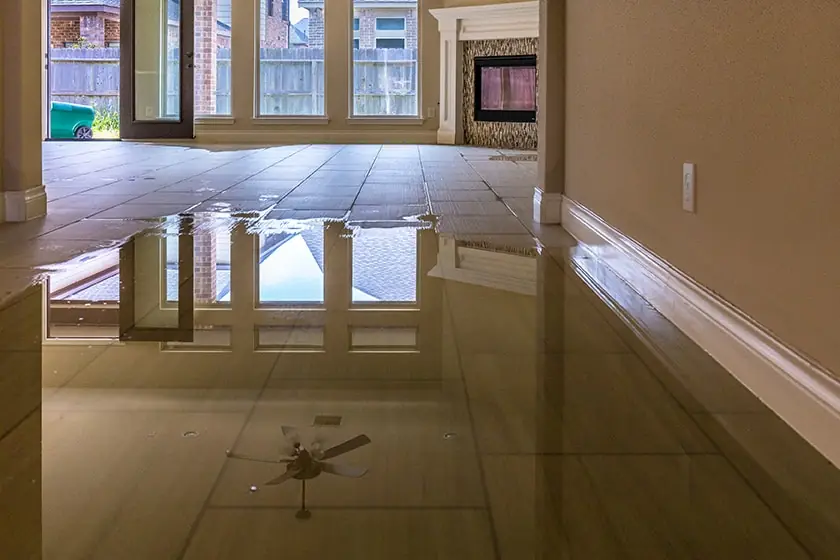
Mesa Flood and Storm Cleanup
Mud, Runoff and Monsoon Water Removed From Mesa Homes and Businesses
Flood damage restoration in Mesa is the work we do when water arrives from outside the building: street and alley runoff, overflowing retention basins, and wind-driven rain through roofs and windows. We remove the water and mud, take out what the floodwater ruined and dry what remains. Our phone, 480-772-0058, is answered by a person around the clock.
- Storm-night calls go to a live person
- Free inspection once the storm has passed
- Houses, 55+ homes, shops and warehouses
- Arizona ROC licensed contractor, license #347115
Services in Mesa
What happened at your property?
- Water Damage RestorationExtraction, drying and restoration
- Emergency Water ExtractionStanding water removed fast
- Burst Pipe CleanupPipe, water heater and appliance leaks
- Flood Damage RestorationMonsoon and flood cleanup
- Ceiling Water DamageLeaks through the ceiling, dried and restored
- Water Mitigation and DryingMoisture mapping and structural drying
- Mold RemediationContainment, removal and the moisture source
- Fire and Smoke DamageSoot, smoke odor and firefighting water
- Commercial RestorationOffices and commercial properties
What Our Customers Say
Real reviews from homeowners and businesses across the greater Phoenix area.
Monsoon Damage in Mesa: Two Storms That Show the Pattern
On September 8, 2014, the remnants of Hurricane Norbert stalled over the Valley. Phoenix Sky Harbor recorded 3.30 inches of rain in about 7 hours, and by 3 AM numerous US 60 underpasses were flooded and impassable. The Mayor called it a thousand year flood event. Neighborhood retention basins overflowed, and a city release counted about 200 Mesa homes damaged. National Weather Service photos from that day show flooding near Ellsworth and University, at Sherwood Park, and at Baseline and Gilbert.
Twelve years later the pattern repeated. In mid-September 2026, monsoon storms sent six to seven inches of water through streets and alleys near 64th Street and McKellips, and three vehicles were rescued near Power and Hermosa Vista. A resident of 35 years told reporters she had never seen it like this.
Both storms make the same point. Monsoon damage in Mesa does not stay inside mapped flood zones. When a storm in the June 15 to September 30 window drops rain faster than basins and streets can carry it, water finds the lowest door, the garage slab or the weakest spot in the roof.
All restoration services in MesaWhere Floodwater Gets Into Mesa Properties
Outside water reaches a building in a few predictable ways. Knowing which one happened tells us where to start.
Overflowing Retention Basins
In 2014, neighborhood basins filled and spilled into nearby homes. The hardest-hit area, around Harris and Stapley, was not a mapped flood zone, so many residents there had no flood insurance.
Streets and Alleys Running Like Channels
The 2026 storms showed how quickly water can rise in Mesa alleys, with six to seven inches running near 64th Street and McKellips. Runoff that tops a curb or a driveway apron runs straight under garage doors and into the house.
Rain Pushed In by Monsoon Wind
Mesa has many flat and low-slope roofs, and monsoon winds push rain under flashing and around window frames. When it shows up overhead, our Mesa ceiling water damage page covers that case.
Southeast Mesa Washes and Flood Structures
The Spook Hill Flood Retarding Structure near Loop 202 and Power Road drains 13.87 square miles and last recorded a peak on September 27, 2025. Properties in that part of the city sit downstream of a working flood system.
Not sure what you need?
Call and a live person will walk you through it, any hour, or request a free inspection.
How Flood Cleanup in Mesa Works
Outside water brings mud and contamination, so the order differs a little from a plumbing leak.
- Step 1
Call and Safety Check
Phone 480-772-0058. We ask whether water is still coming in, whether outlets or cords sit in the water and whether anyone needs to leave the house.
- Step 2
Document Before Anything Moves
Photos of the water line on walls, the mud on floors and damaged belongings go into the file first. That record matters for any claim.
- Step 3
Flood Water Removal
Pumps and extractors take out the standing water, and crews shovel and scrape mud and debris from floors, garages and entries.
- Step 4
Remove Contaminated Materials
Carpet, pad, lower drywall, insulation and particleboard that sat in floodwater are cut out and bagged, and hard surfaces are cleaned.
- Step 5
Dry and Verify
Air movers and dehumidifiers dry the slab and wall framing, and we keep measuring until the readings show the structure is dry.
Flood Restoration in Mesa: Why Outside Water Is Handled Differently
Water from a broken supply line starts clean. Floodwater does not. By the time runoff crosses a street, a yard and a driveway, it is carrying soil, debris and whatever was on the pavement. That is why flood restoration in Mesa removes more material than a clean-water job of the same size.
Flood water removal in Mesa goes quickly once the pumps are running, but the decisions after it take care. We explain which materials have to go because they touched contaminated water, which can be cleaned and dried, and how the drying will run once the mud is out.
Usually Removed After Floodwater
- Wall-to-wall carpet and pad
- Drywall and insulation below the water line
- Particleboard cabinet bases and toe kicks
- Upholstered furniture and other soaked soft goods
- Baseboards and trim that wicked up water
Flood Zones, Insurance and the Harris/Stapley Lesson
Many Mesa owners assume they are safe because their address is not in a flood zone. The 2014 storm proved otherwise for the Harris and Stapley neighborhood. Mapping is still catching up in parts of the city: the Mesa Zone D Flood Delineation Study is mapping about 26.1 square miles of southeast Mesa, between the CAP Canal and Ellsworth Road and from US 60 down to the Williams Field Road alignment, that FEMA had not studied before. FEMA approved Phase 1 in June 2024.
What a policy covers is decided by your carrier, and your agent is the person to ask. Our part is the record: we photograph the damage, log readings, prepare a scope and, once you say so, keep your adjuster informed.
Our flood damage restoration processReady for a free inspection?
We look at the damage, document it and explain the next steps before any work starts.
Storm Damage Restoration in Mesa: First Steps After the Rain
If a monsoon storm has put water inside your home or business, these steps protect people first and the property second:
- Stay out of standing water that may touch outlets or cords
- Avoid walking through mud and runoff without boots
- Keep kids and animals away from the flooded part of the house
- Photograph the water line, the mud and damaged items
- Move dry belongings to a higher shelf or another room
- Leave soaked items in place until they are documented
- Call 480-772-0058 and tell us which rooms took water
Pumping out standing water is always step one; the Mesa water extraction page walks through that stage.
Next Steps for Mesa Flood Damage
Floodwater cleanup ties into the rest of the water damage process.
Water Extraction in Mesa
Pumping and pulling standing water out of rooms, garages and commercial floors.
Water Damage Restoration in Mesa
The full Mesa process, from first call through drying and replacing what the water ruined.
Talk to Us About an Inspection
Storm passed and the water is out? Book a free inspection to check for hidden moisture.
24/7 Emergency Response
Property Damage Cannot Always Wait Until Tomorrow
Call Triology Restorations for responsive residential and commercial restoration services throughout the Phoenix Valley.
Available 24/7 for emergency calls.
Request an Inspection in Mesa
Tell us what happened and a member of the Triology Restorations team will contact you.
Call 480-772-0058