24/7 Emergency Line
Dealing with damage right now?
Live answer, 24 hours a day, no call centers. The longer water sits, the more damage it can cause.
Call 480-772-0058 Request a free inspection- Licensed, bonded and insured
- Homes and businesses, Phoenix Valley
A sewage backup in the house means wastewater from the main drain line is coming up through your drains instead of flowing out to the street. It can carry bacteria, so it is not a DIY job. Keep everyone out of the area, and let Triology Restorations handle the cleanup and drying through Water Damage Restoration.
What Causes Sewage Backup in the House?
A sewer backup starts with a blockage in the sewer line, the main pipe that carries wastewater from your home to the city sewer system or a septic tank. Wastewater cannot get past the blockage, so it rises to the lowest opening, usually a floor drain, a tub, or one of the toilets. Clogs from grease, oils, and wipes are a common cause, and tree roots are another. Here is how the main causes compare:
| Cause | What it looks like | Where it shows up |
|---|---|---|
| Grease, oils, and wipes | Slow drains for weeks, then a full blockage | Kitchen sink, then the lowest drain |
| Tree roots in sewer pipes | Repeated clogs, gurgling after watering | Floor drain, tub, shower |
| Cracked or collapsed pipe | Backups that return after the line is cleared | Lowest fixtures in the home |
| Flushed debris | Sudden blockage after a flushable product | Toilets |
| City main or storm overload | Several neighbors affected after heavy rain | Lowest drain in the home |
Roots from mesquite, ficus, and other thirsty desert trees push into small cracks in older clay or cast iron sewer pipes, then grow into a mass that catches paper and debris. Grease and cooking oils cool inside the pipe and harden. Wipes sold as flushable do not break down like toilet paper. Homeowners with older plumbing or big trees near the line can schedule sewer line inspections to catch roots before a backup. Sewer backups also follow monsoon floods, when storm runoff can overload the city sewer system and push sewage back up the pipe.
Is Sewage Backup an Emergency?
Yes. Treat every sewage backup as an emergency, because the water is contaminated and it spreads fast. Most Phoenix Valley homes sit on concrete slabs, so the water has nowhere to drain. It travels across tile and wood floors, wicks up into the bottom of drywall, and soaks carpet and pad. Basements are uncommon here, but homes with basements see sewage collect there first. The longer water sits, the more damage it can cause, and porous materials such as carpet pad and drywall get harder to save.
Sewage and plumbing emergencies do not keep business hours. Triology answers live 24/7, with no call centers.
Why Is Sewer Backup in Shower Drains a Sign of a Main Line Problem?
Every drain in your home feeds a branch pipe, and those branches join one main sewer line. When that line is blocked, the water has to go somewhere, and it comes out of the lowest drain first. In most houses that is the shower, the tub, or a floor drain. One slow sink usually means a local clog. A sewer backup in shower drains, plus gurgling toilets or a slow washer drain, points to a sewer line backup. Blockages in the main line do not clear on their own.
Why Is My Toilet Backing Up Into the Tub?
A toilet backing up into the tub happens because the toilet and the tub drain into the same main line. Each flush sends a surge of water toward the blockage. With nowhere to go, the surge pushes back up the nearest low opening, and the tub drain sits lower than the toilet bowl rim. Stop flushing as soon as you see it, since every flush adds more wastewater to the floors.
Why Does Sewage Come Up in the Shower or Tub When I Flush the Toilet?
Flush water and shower water travel through the same pipe. If sewage rises in the shower when you flush, or the toilet bubbles when the shower runs, the blockage sits past the point where those branches join. That is a sewer line backup, and running more water only spreads the damages across more floors.
Why Is Sewage Backup in the House Not a DIY Job?
Sewage backup in the house is not a DIY job for three reasons. The water carries bacteria and viruses, the damage hides under floors and inside walls, and the blockage that caused it still has to be handled. Cleaning the surface fixes none of those.
Can I Clean Up Sewage Backup in the House Myself?
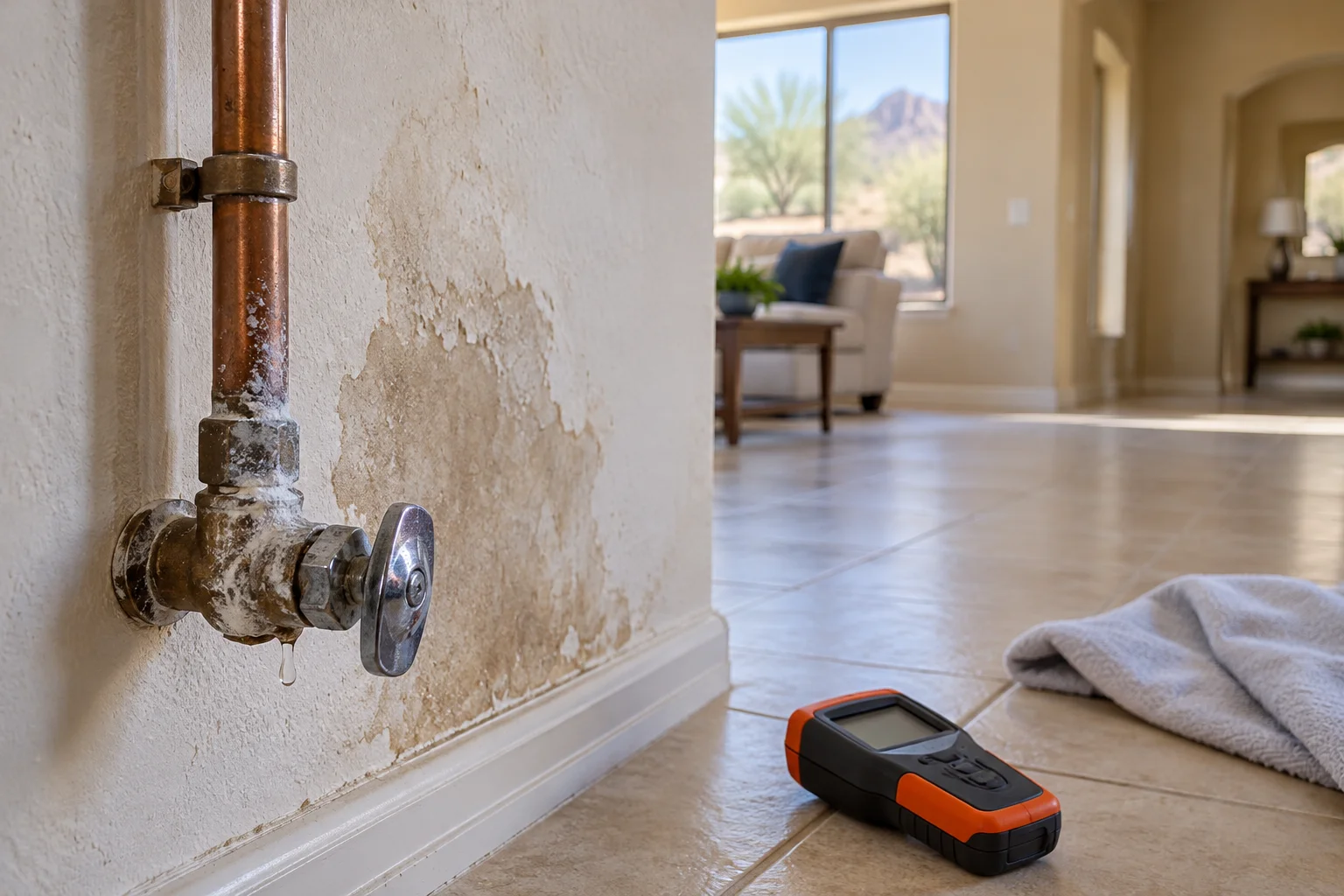
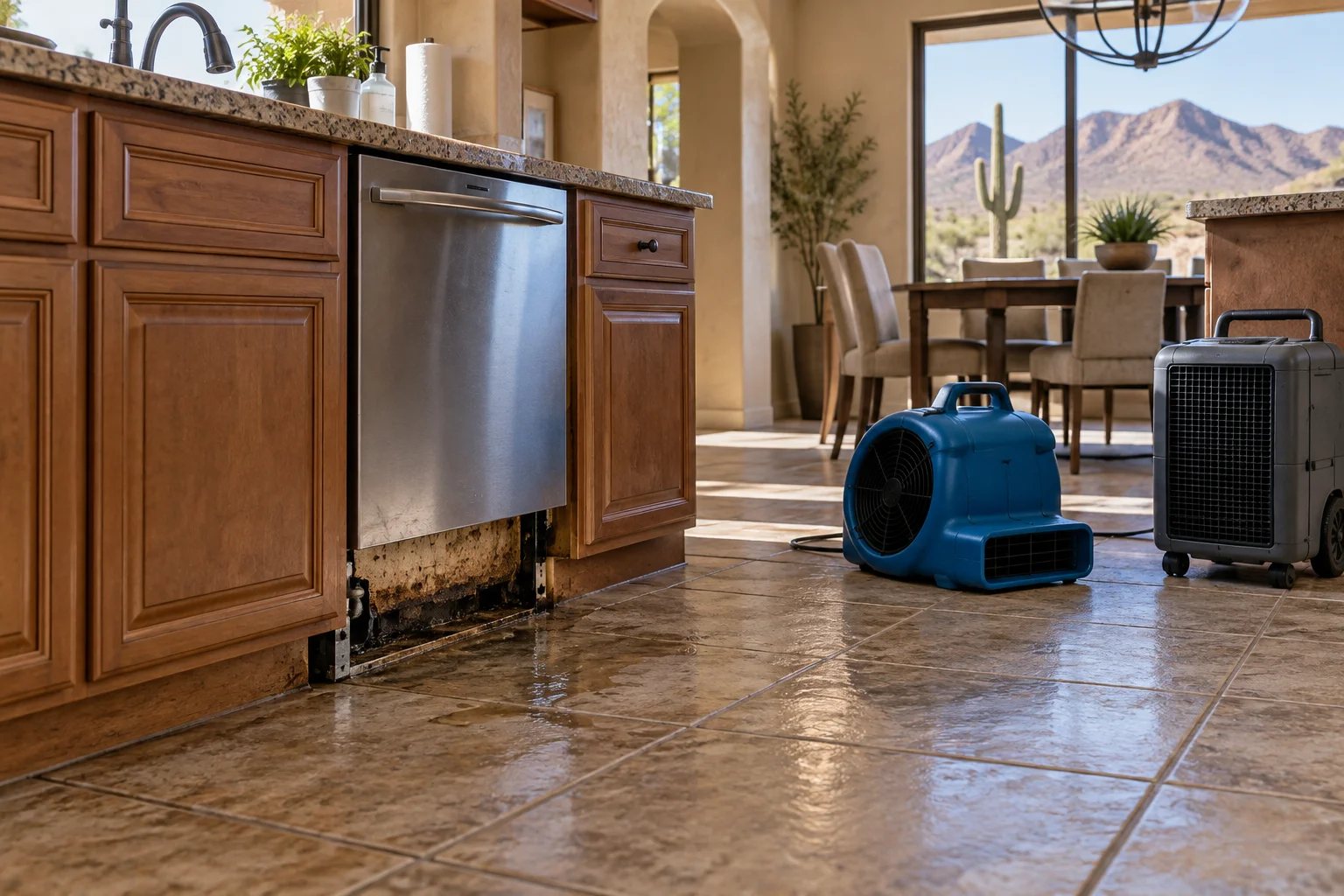
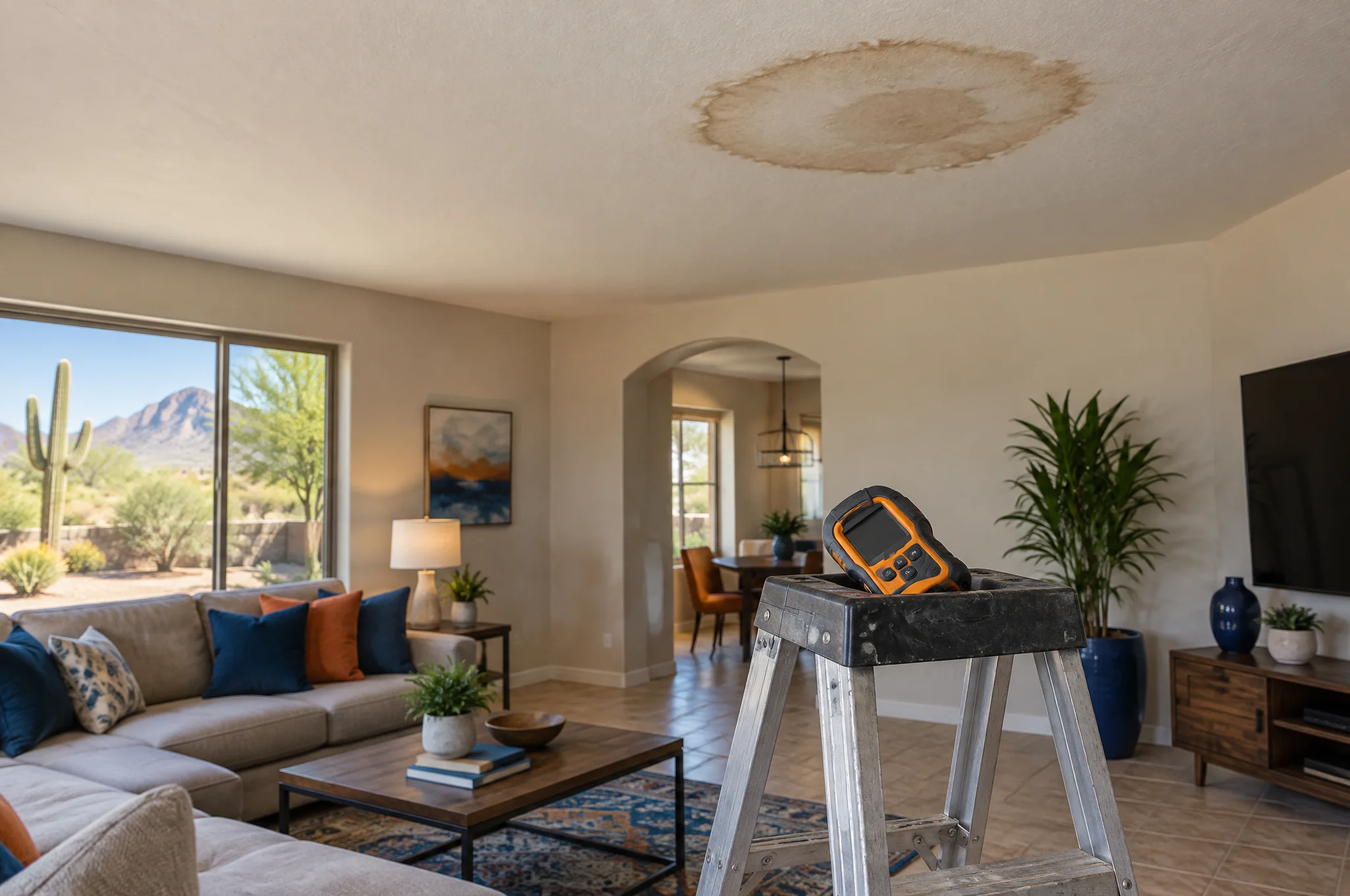
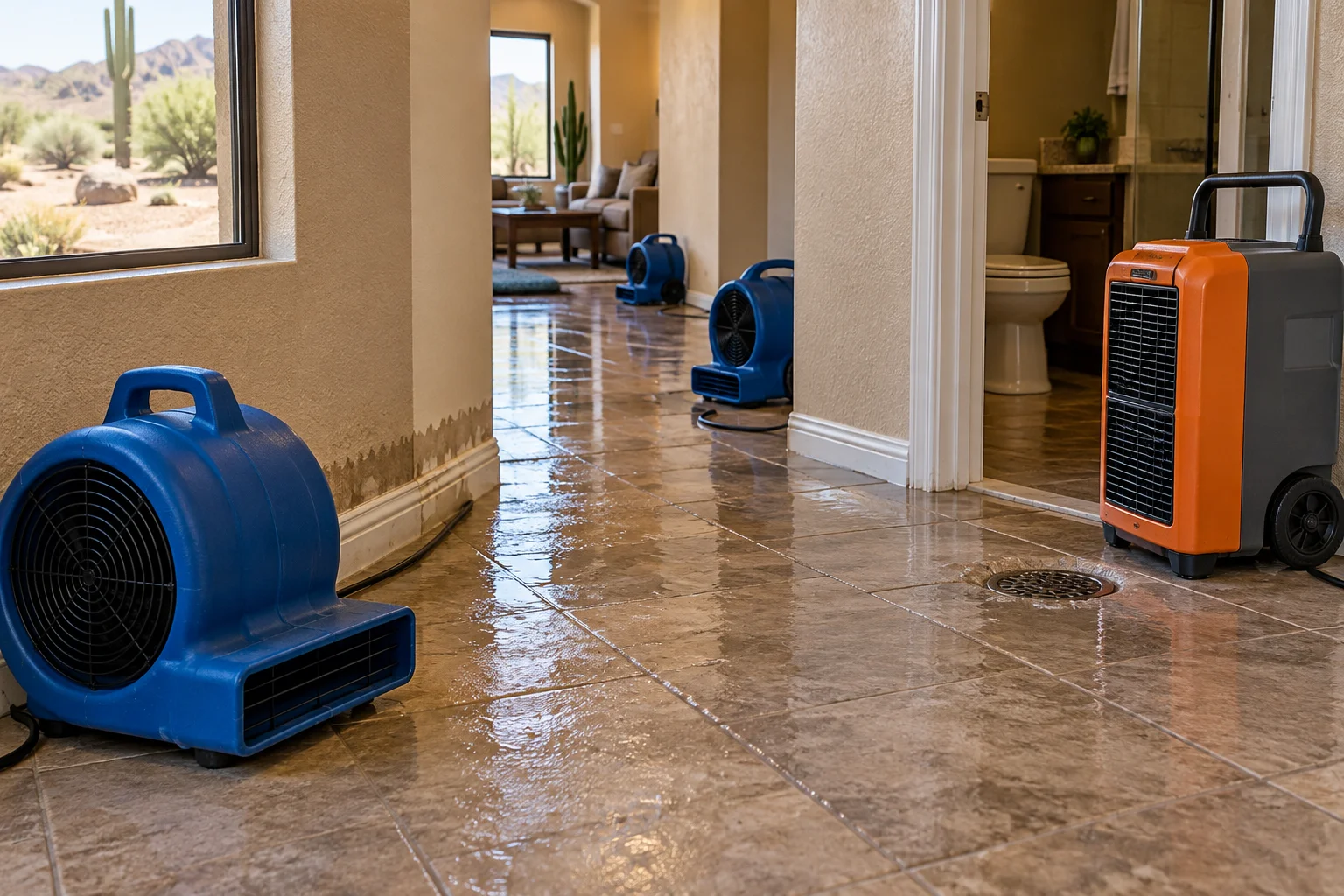
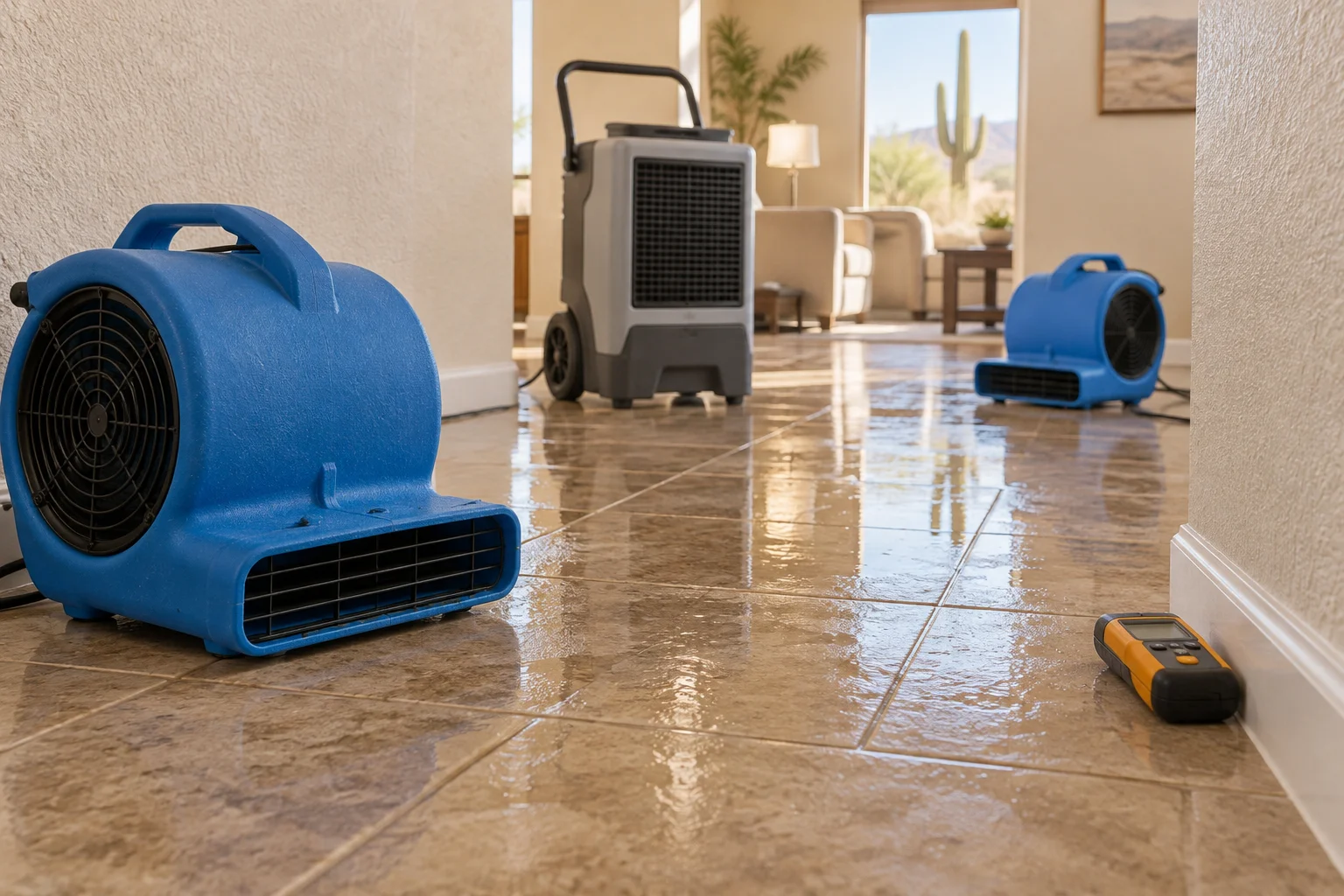
For a small spill of clean water, yes. For sewage, no. A mop or wet vacuum spreads contamination across the room and into the machine. Household cleaners do not dry a subfloor or the base of a wall. A tile floor can look clean while moisture sits beneath it and inside the wall. Our technicians use moisture meters to find that hidden water, then set air movers and dehumidifiers to dry the structure. Carpet, pad, and wet drywall often have to come out. Skip chemical drain cleaner in standing sewage, and know that a plumber's snake from a rental shop can push the clog deeper or damage cracks in an old pipe.
Water damage professionals work to a drying plan and check readings until the structure is dry. That is the part a mop cannot do.
What Health Risks Come From Sewage Backup in the House?
The CDC says sewage can contain bacteria, viruses, and parasites, and that contact may cause illness, including stomach illness and skin infections. Children, older adults, pets, and anyone with a weakened immune system face more risk. Keep them out of affected rooms, wash your hands with soap and clean water after any contact, and throw away food that touched sewage water.
What Should I Do Right Away When There Is Sewage Backup in the House?
In sewage emergencies, the first few minutes are about stopping the spread. Work through this list:
- Stop using water. Do not flush toilets, run showers, or start the washer or dishwasher, since every gallon adds to the overflows.
- Keep people and pets out of the wet area. If you must walk through, wear waterproof boots and rubber gloves.
- Shut off power to the affected room only if the breaker panel is dry and you can reach it without stepping in water.
- Skip the chemical drain cleaners and the mop.
- Photograph all the damages, with dates, before you move anything. Your insurance carrier will want them.
- Call Triology Restorations. A live person answers 24/7, and our team starts with Emergency Water Extraction to remove standing water, then dries the structure. The sewer line problem gets handled, and Triology handles the water damage cleanup and drying.
Who Pays for Sewage Backup Cleanup?
How Much Does Sewage Backup Cleanup Cost?
Triology does not publish prices, and an honest number is not possible before someone sees the damage. These factors drive the scope:
- How many rooms and how much floor area the sewage reached
- Which materials got wet: sealed tile, carpet and pad, or drywall
- How long the water sat before cleanup began
- Whether wet materials must be removed or can be dried in place
- How long the drying takes to reach safe moisture readings
A free inspection shows which of these apply to your home. Once the structure is dry, repairs to any drywall or flooring removed during cleanup are the last step.
Is Sewer Backup Insurance Coverage Included in a Standard Homeowners Policy?
Often, no. Many standard homeowners policies exclude water that backs up through sewers or drains. That coverage usually comes as an add-on endorsement, sometimes called water backup coverage. Your carrier decides what is covered, so read your policy or ask your agent before you assume either way. When you authorize us, Triology documents the damage with photos and moisture readings and talks with your adjuster. We never tell you what a carrier will approve.
Get a Free Inspection After a Sewage Backup
Triology checks the affected rooms with moisture meters and explains what needs to be dried or removed before work begins, so start by choosing to Request a Free Inspection.
Common Questions

Written by Triology Restorations
Owner Gabe Rodriguez and our crew handle water, mold and fire restoration across the Phoenix Valley. Arizona ROC license #347115, licensed, bonded and insured.