24/7 Emergency Line
Dealing with damage right now?
Live answer, 24 hours a day, no call centers. The longer water sits, the more damage it can cause.
Call 480-772-0058 Request a free inspection- Licensed, bonded and insured
- Homes and businesses, Phoenix Valley
Hard water damage to pipes builds slowly. Dissolved minerals harden into scale on the insides of pipes and inside water heaters, which narrows water flow and invites leaks over time. When a weakened line finally lets go, our Burst Pipe Cleanup service handles the water damage.
What is hard water damage to pipes and how does it happen?
Hard water is tap water that carries a lot of dissolved minerals, mostly calcium and magnesium. Those minerals settle out as a hard, chalky layer called scale when water heats up, slows down or dries. It stacks up on the insides of pipes, tanks, fixtures and appliances.
Hard water damage to pipes is slow and mostly out of sight. A faucet sprays sideways, a water heater gets louder, and years later a weakened line gives way and the water damages whatever sits below it. Phoenix Valley tap water is widely known as hard, and many local homes run supply lines through attics and wall cavities, so a problem anywhere in the plumbing system can stay hidden. Harder water leaves scale faster, so older lines with no water treatment often show the problem first.
Calcium buildup in pipes: where does it form and what does it do?
Calcium buildup in pipes starts where water is hottest, slowest or forced to turn. Look for it in these places:
- Hot water lines leaving the water heater
- Faucet aerators (the small screens at the tip) and showerheads
- Elbows, valves and fittings where the flow changes direction
- Appliances that fill with water, such as dishwashers and a washing machine
Each layer reduces water flow, and mineral deposits cause clogs in aerators, valves and small passages, coating the insides of each one. In copper pipes, deposits can also hold water against the metal, which may encourage corrosion (slow metal breakdown) underneath.
Hard water and water heaters: how does scale shorten their life?
Hard water and water heaters are a rough pairing, because heat is what pulls minerals out of the water. As a tank warms, calcium magnesium mineral deposits sink to the bottom as sediment and cake onto the heating element. That crust works like insulation. The water heater has to work harder and run longer to heat the same water, which cuts efficiencies and raises energy use. Other appliances feel scale too, but the tank carries the most of it.
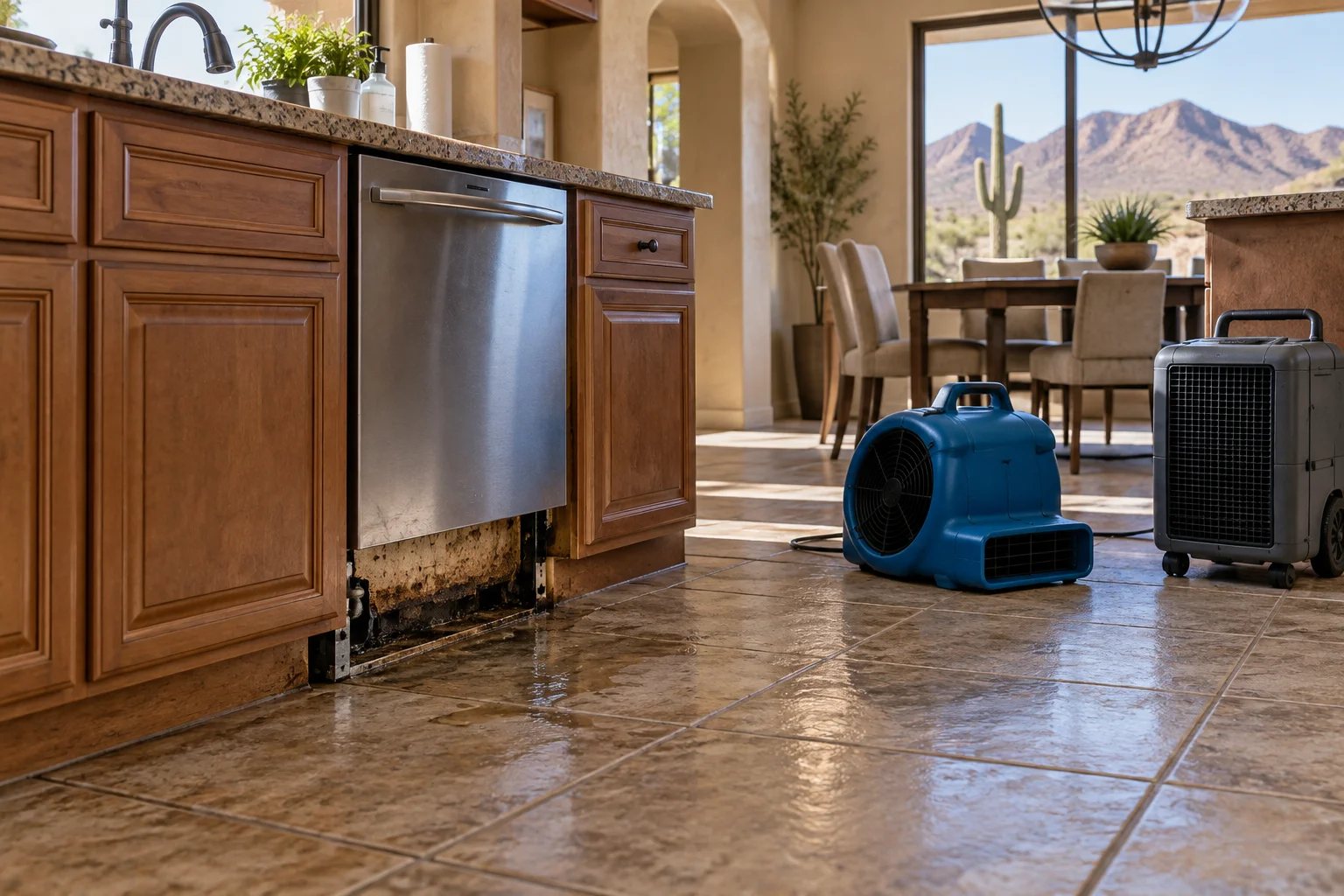
Listen for rumbling or popping. Water caught under sediment boils in small bursts. When a tank finally fails, the leak is often the worst surprise, because the unit sits in a garage, closet or attic and the water damages the floor and walls around it.
How long do pipes and water heaters last with hard water?
A typical tank water heater lasts about a decade under normal use, and heavy scale buildup with no maintenance can cut that lifespan and drag efficiencies down too. Metal supply lines can last for decades in gentle service, but harder water, high water temperature and corrosion can shorten their lifespan too. Mineral content, thermostat setting, whether a water softener is installed and how often the tank gets flushed all move the answer.
Does hard water cause pinhole leaks?
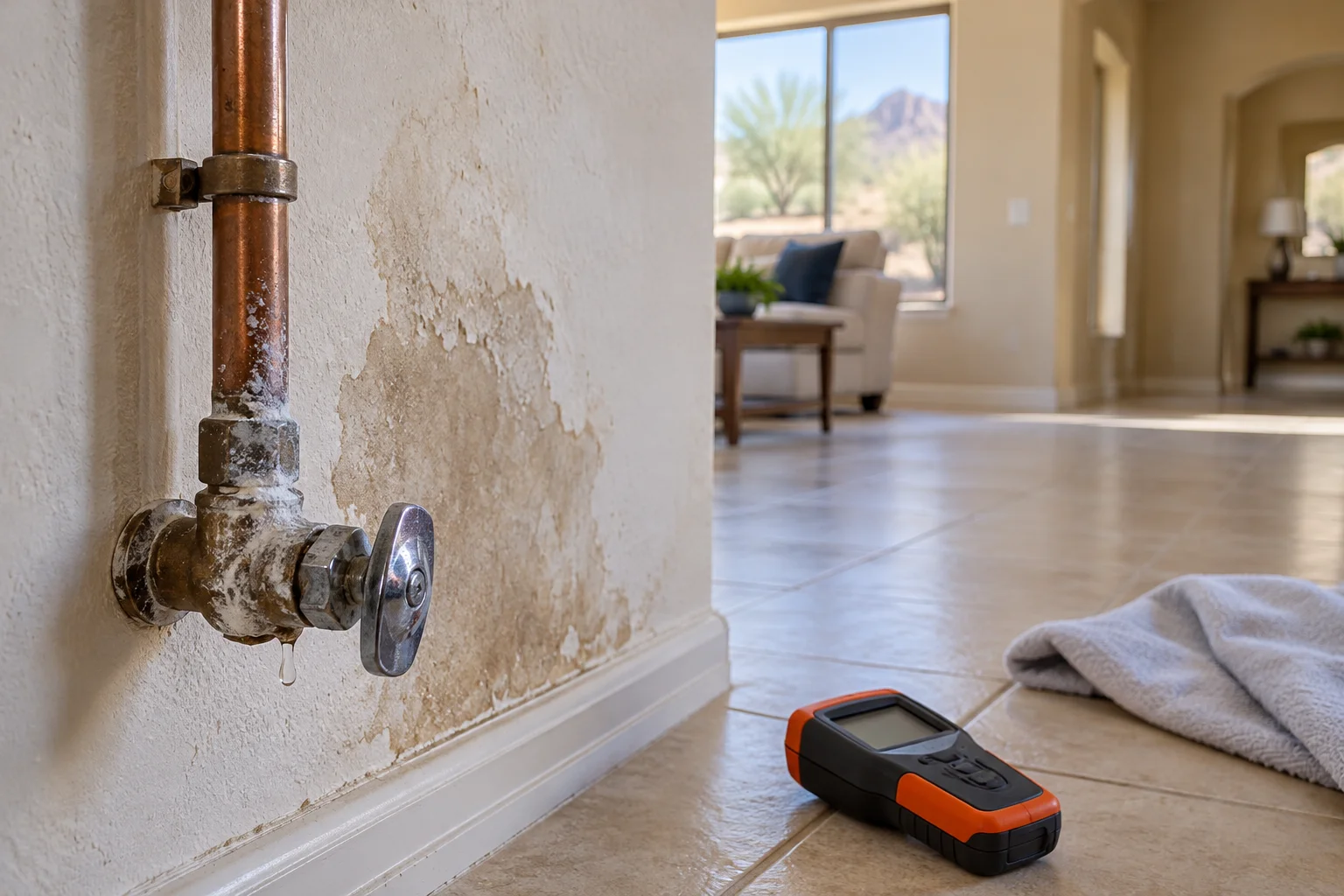
Does hard water cause pinhole leaks? Sometimes it contributes. A pinhole leak is a tiny hole in a pipe wall, often in older metal lines, that seeps or sprays a fine mist. The usual cause is pitting corrosion, where small spots on the insides of the pipe wear through. Scale deposits can create sheltered spots where corrosion works unnoticed, and water chemistry, flow speed and pipe age all play a part.
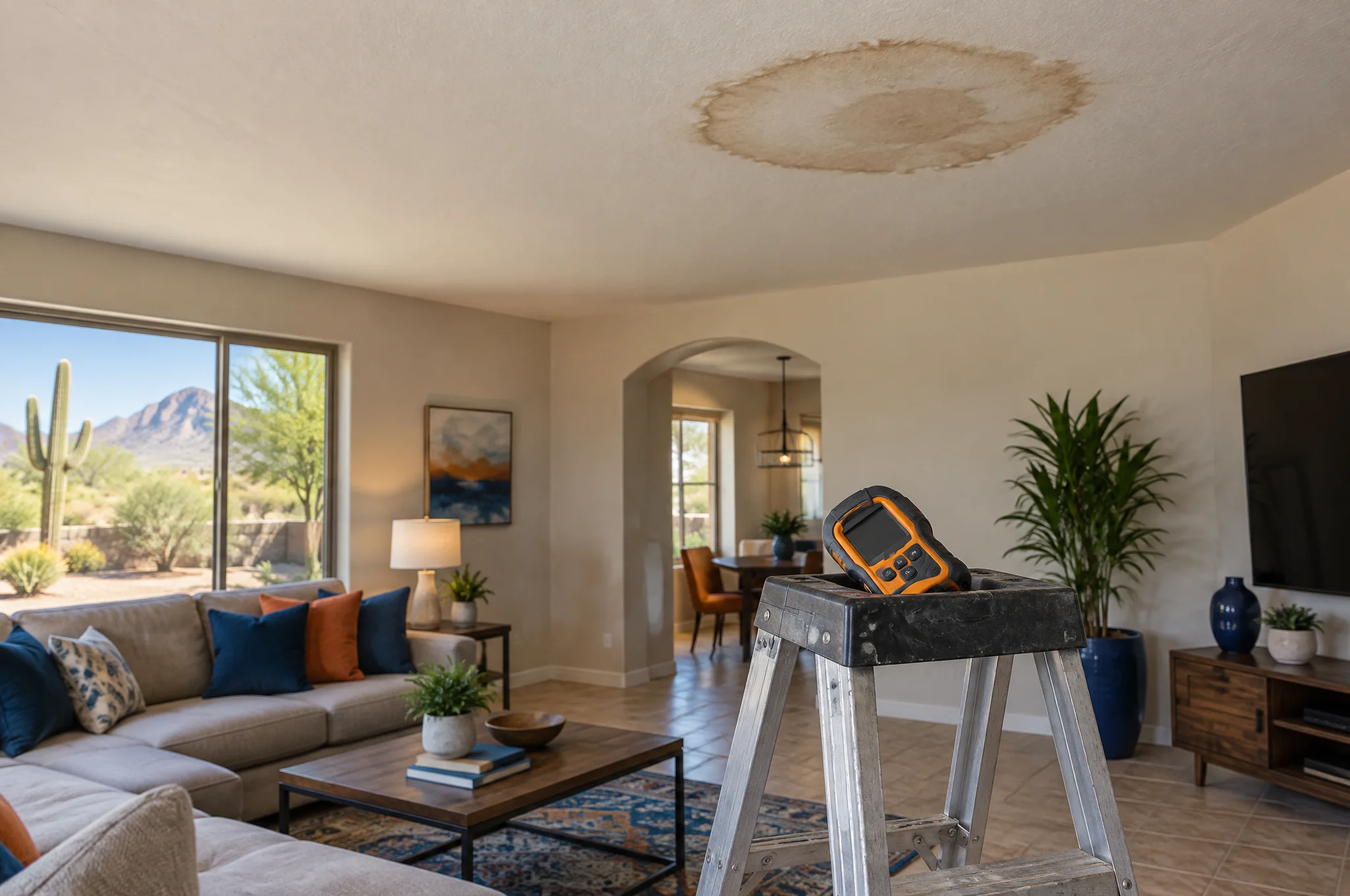
The damage can hide. A fine spray hits the back of drywall, a cabinet base or attic insulation, so the water damages the structure long before a stain shows. Watch for bubbling paint, a soft patch in a wall, a musty smell or a water bill that climbs with no change in use.
What are the signs of hard water damage in plumbing?
Scale and corrosion leave clues you can see and hear.
| Sign | Where you notice it | What it may mean |
|---|---|---|
| White, crusty deposits | Faucets, showerheads, fixtures | Hard water minerals (calcium and magnesium) drying and building scale |
| Weak water flow | One faucet or the whole house | Scale narrowing pipes or scale that clogs aerators |
| Rumbling or popping | Water heater tank | Sediment layer on the tank floor |
| Green or blue staining | Around metal lines and joints | Corrosion starting at the pipe |
| Bubbling paint, soft drywall | Walls and ceilings | A possible hidden leak |
The last two rows mean moisture that needs checking today.
How to treat and prevent hard water damage to pipes
Treating hard water damage to pipes means slowing new scale and watching for leaks. Most homes need some water treatment (equipment that changes the water) plus basic maintenance.
How to prevent calcium buildup in water heater tanks
Prevention comes down to sediment, heat and softening:
- Flush the tank about once a year, following the manufacturer's guidance, since flushing reduces sediment. Shut off power or gas first, let the water cool, and drain through a hose to a safe spot.
- Keep the thermostat at the manufacturer's recommended setting, often around 120 degrees. Hotter water drops minerals out faster, so a moderate setting reduces scale.
- Check the anode rod, a sacrificial metal rod that corrodes first so the tank does not, on the schedule your manual gives.
- Add a water softener so the minerals never reach the tank.
How to remove calcium buildup in water supply lines
Start with the parts you can reach. Unscrew faucet aerators and showerheads, soak them in white vinegar for an hour or two, scrub the softened deposits with a brush, and rinse. Skip vinegar on natural stone and some finishes.
Scale inside walls is a different story. A homeowner cannot scrub it out, and strong acid products poured into old lines may eat through the thin spots that scale was covering. If water flow stays weak after the reachable parts are clean, the buildup is deeper in the plumbing system. When a line lets go, plumbing repairs happen at the source, and we handle the cleanup and drying.
Does a water softener stop hard water damage to pipes?
A softener pulls most of the calcium and magnesium out before water enters the plumbing system. It pushes water through resin beads that swap those minerals for sodium or potassium ions, a process called ion exchange. Softened water forms far less new scale, which reduces buildup in water heaters, dishwashers, faucets and fixtures, protects appliances and means fewer clogs.
It has limits. Softened water may loosen some old scale gradually, over weeks or months, and thick buildup can stay put. A softener cannot reverse corrosion or pipe age, and it does not replace repairs to weakened lines. Water softeners also need salt refills and resin upkeep.
When is hard water damage a job for a restoration company?
Hard water damage to pipes becomes a restoration job the moment water leaves the pipe. That means a wet ceiling, a soft wall, soaked flooring or a puddle around the water heater. Water damages drywall, insulation and flooring fast.
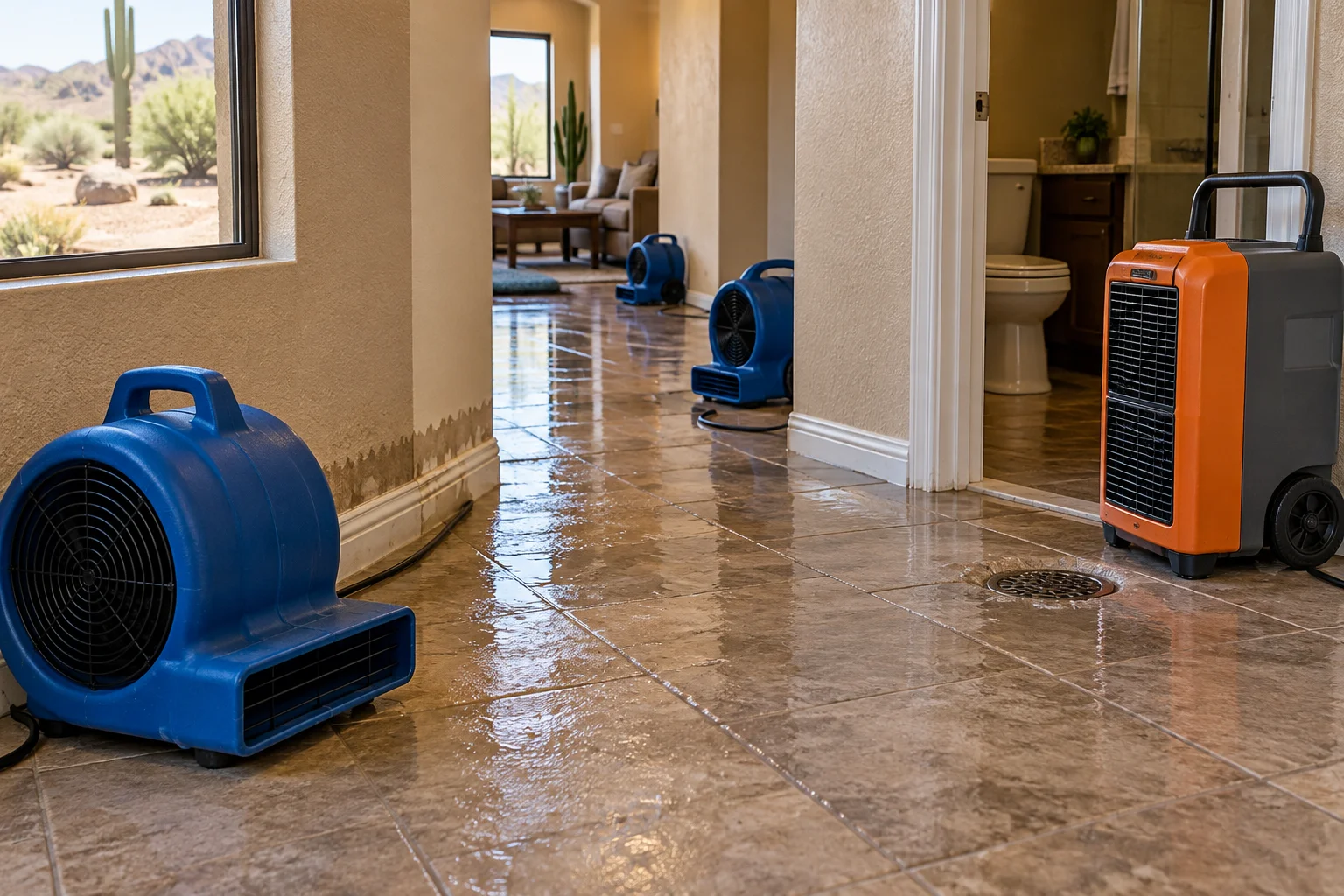
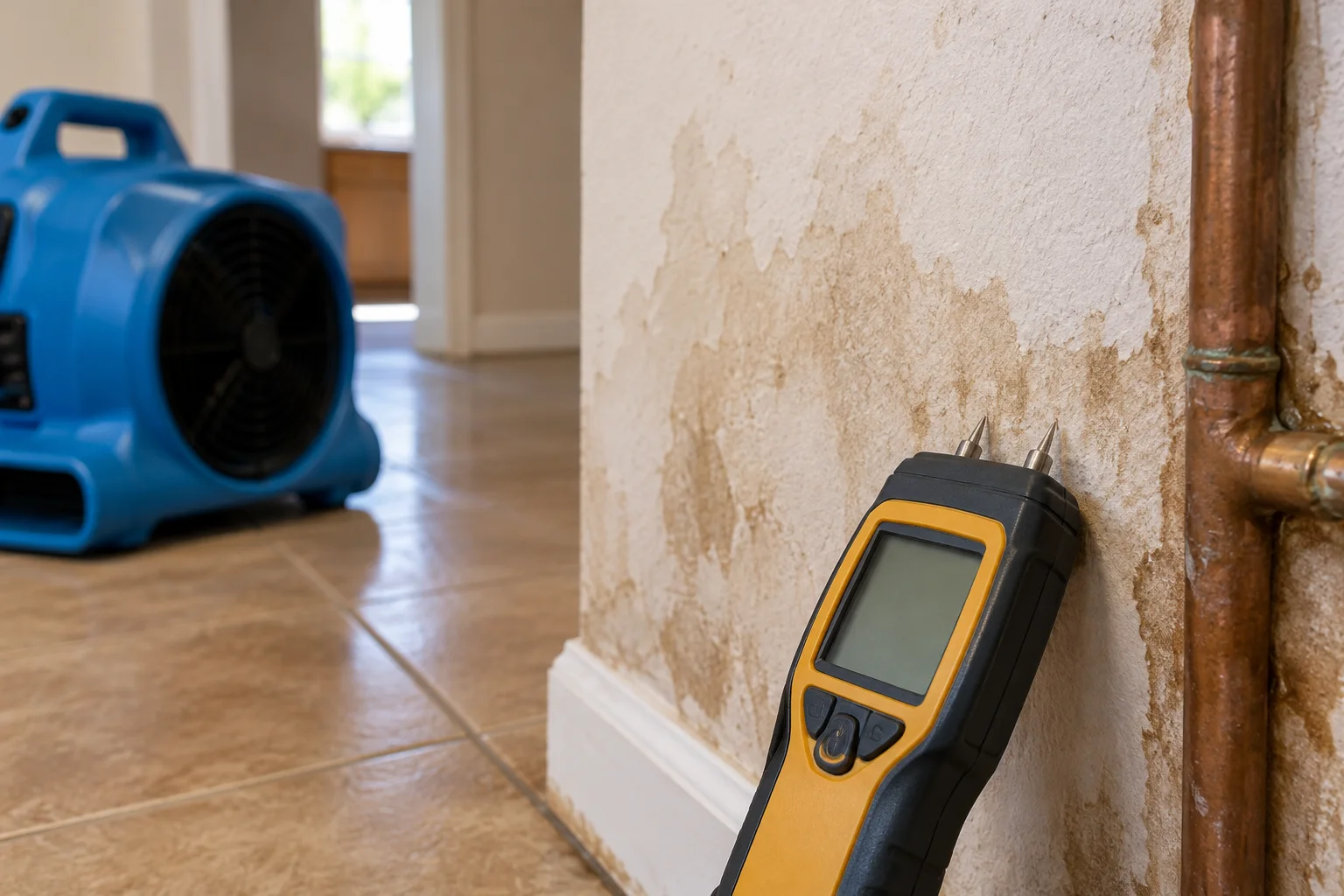
Here is how we work a leak like this. Our crew extracts standing water, checks the structure with moisture meters, sets air movers and dehumidifiers, and dries the wet area until the readings show it is dry. Any repairs to drywall or flooring come last, and only to fix the water damage.
If a pinhole spray or a failed water heater has already wet a wall or floor, our Water Damage Restoration crew can inspect the area with moisture meters and walk you through a drying plan, and you reach a live person 24/7.
Get a Damp Wall or Ceiling Checked Before It Spreads
A stain on the ceiling or a soft spot in a wall is easier to dry out today than next week. Talk with a live person any hour and Request a Free Inspection.
Common Questions

Written by Triology Restorations
Owner Gabe Rodriguez and our crew handle water, mold and fire restoration across the Phoenix Valley. Arizona ROC license #347115, licensed, bonded and insured.