
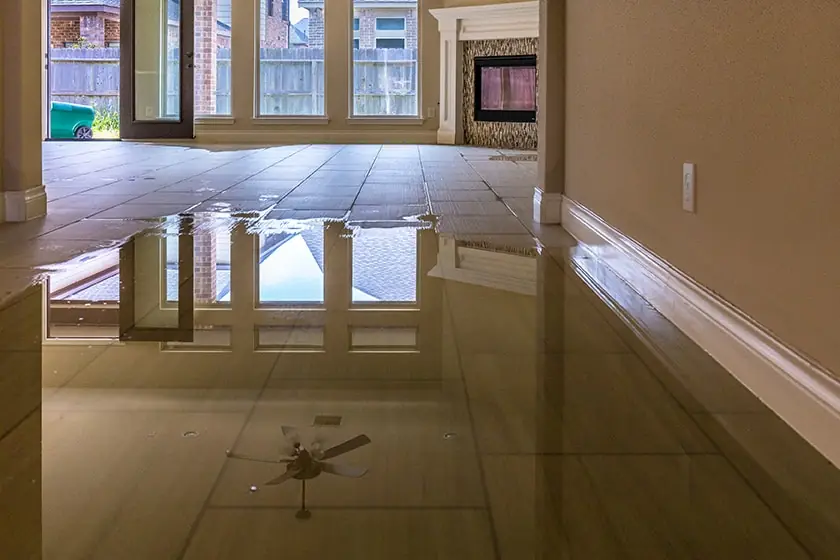
Tempe Flood and Storm Damage
Cleaning Up After Storm Water Gets Inside a Tempe Home or Business
Monsoon rain, street runoff and wind-driven water that come in from outside need a different cleanup than a leak from a pipe. We remove the water and the mud, take out what the outside water ruined and dry the rest. A real person picks up at 480-772-0058 whenever the storm hits.
- Phones answered live, all night
- Free inspection after the storm
- Arizona ROC #347115, bonded and insured
- Homes, rentals and commercial buildings
Services in Tempe
What happened at your property?
- Water Damage RestorationExtraction, drying and restoration
- Emergency Water ExtractionStanding water removed fast
- Burst Pipe CleanupPipe, water heater and appliance leaks
- Flood Damage RestorationMonsoon and flood cleanup
- Ceiling Water DamageLeaks through the ceiling, dried and restored
- Water Mitigation and DryingMoisture mapping and structural drying
- Mold RemediationContainment, removal and the moisture source
- Fire and Smoke DamageSoot, smoke odor and firefighting water
- Commercial RestorationOffices and commercial properties
What Our Customers Say
Real reviews from homeowners and businesses across the greater Phoenix area.
Flood Damage Restoration in Tempe Starts With Where the Water Came From
Tempe sits on the Salt River, and much of the city's storm planning is built around moving water away from homes. Tempe Town Lake was built in that riverbed in 1999, and the city names flood control ahead of recreation and the local economy among the reasons it exists. Across the rest of the city, the stormwater system carries rain to retention basins, washes and waterways, and that runoff is not treated on its way.
When a storm overwhelms that system at your property, the water that comes in under a door, through a window or down from a damaged roof is outside water. It can carry soil, yard chemicals and whatever it picked up on the street. Flood damage restoration in Tempe treats it that way from the first hour: anything porous it soaked is judged by what the water carried, not only by how wet it is.
We handle the cleanup inside. A plumber, roofer or the city handles what is outside, and we coordinate with them when the work overlaps.
Water damage restoration in TempeTempe Storms and Flooding on the Record
These dated events show the kinds of water Tempe has had to deal with. None of them is a forecast, but they explain why we plan for the monsoon every year.
July 20, 2010: Town Lake Drains
One of the lake's inflatable rubber dam bladders ruptured and the lake emptied into the Salt River. The city replaced all of the bladders and reopened the lake in about three months.
September 8, 2014: Indian Bend Wash Runoff
Storm runoff from Indian Bend Wash and other drainages poured into the Salt River and Town Lake and over the west dam. The river gauge at Priest Drive peaked at 7,686 cfs, and the weather service shared a flooding photo from Kiwanis Park.
October 13, 2025: The Microburst
A National Weather Service survey found 80 to 90 mph winds in a north-south strip east of the I-10. Roofs went, trees came down on buildings, and in three hours the fire department logged 180 incidents, flooding among them.
Every Summer: Monsoon Season
The season officially opens June 15. Sudden heavy rain, wind-driven water and roof leaks follow, and flat and low-slope roofs are common in the city.
Not sure what you need?
Call and a live person will walk you through it, any hour, or request a free inspection.
Monsoon Damage in Tempe: What Outside Water Does to a Building
Monsoon damage in Tempe usually arrives two ways. Water comes in low, as runoff that pushes under a patio slider or a garage door. Or it comes in high, through a roof opening or wall gap that the wind found, and then runs down into the rooms below. After the October 2025 microburst, some buildings got both at once.
Low water brings mud and debris across the floor and soaks the bottom of the drywall, carpet and pad. High water soaks insulation and ceiling drywall and can sit in the attic for days. We look at both paths before deciding what to remove. Ceilings that took water from above have their own page.
What outside water usually ruins
- Carpet and pad it touched
- The bottom of soaked drywall and insulation
- Particleboard cabinet bases and baseboard
- Stored boxes, rugs and soft furniture
- Wet ceiling insulation after a roof breach
How Flood Cleanup in Tempe Runs
Storm water jobs follow the same order whether the building is a South Tempe house or a ground-floor apartment near campus.
- Step 1
Make It Safe
We check for power near the water, ceilings holding water and openings that let more rain in. A tarp or board-up on a roof or window comes before cleanup inside.
- Step 2
Flood Water Removal
The water comes out by pump and extractor first. Flood water removal in Tempe also means shoveling and bagging the mud and debris it carried in.
- Step 3
Remove What Outside Water Ruined
Porous materials the runoff soaked come out: carpet, pad and the lower part of the drywall. We photograph each before it leaves the building.
- Step 4
Clean the Surfaces Left Behind
Slab, framing and the hard surfaces that stay are cleaned where the water sat.
- Step 5
Dry and Measure
Air movers and dehumidifiers dry the structure, and we read the moisture each visit until the materials are dry.
- Step 6
Document for the Claim
You get the photo set, the moisture numbers and our written scope, and the adjuster gets copies once you approve.
Storm Damage Restoration in Tempe Neighborhoods
Storm damage restoration in Tempe looks different across the city. In the post-war neighborhoods, many homes sit on slabs, so runoff that gets past the door spreads across the whole floor. In apartment complexes, ground-floor units take the runoff while top-floor units take the roof leaks. Even in South Tempe around The Lakes, a lake community, runoff can find a low door when a storm is heavy enough.
Several older parts of town are still flooded on purpose with SRP water. Tempe's 2026 irrigation calendar names 14 areas, among them Wilson Ditch, Palmcroft, Hu-Esta and Papago Gardens, with about 850 residential customers. Water runs from 10 p.m. Sunday through 2 p.m. Thursday, with no deliveries in November or December. Irrigation water flowing past a property line is reported to SRP's 24-hour line. If it ever reaches the inside of a home, we handle that cleanup like any other outside water.
Our Tempe service areaReady for a free inspection?
We look at the damage, document it and explain the next steps before any work starts.
Flood Restoration in Tempe: What the City Does and What It Does Not
Knowing who handles what saves time on a storm night.
- The city offers sandbags to residents during monsoon season
- Street and park flooding is reported to the city
- The city states it cannot respond to flooding inside homes
- Irrigation overflow outside a lot goes to SRP
- Inside the building, cleanup is the owner's to arrange
- Your carrier decides what a policy covers
Flood restoration in Tempe starts the moment the water stops coming in, and we can be the call you make for the inside.
After the Water Is Out, Drying Comes Next
Once the runoff and mud are out, the extraction and drying phases pick up. Each has its own page for Tempe, and on a storm job they run back to back.
Water extraction in TempeCall Us When Storm Water Gets In
Tell us where the water is coming in, whether it is still raining and whether the roof or a window is open to the weather. We will tell you what is safe to do before we arrive and book a free inspection.
Claims go smoother with a record, so every wet area is photographed before anything is torn out. Our notes reach your adjuster only after you say so, and the carrier alone settles coverage, deductibles and approval.
Request a free inspectionCommon Questions
Still have a question? Ask us directly.
24/7 Emergency Response
Property Damage Cannot Always Wait Until Tomorrow
Call Triology Restorations for responsive residential and commercial restoration services throughout the Phoenix Valley.
Available 24/7 for emergency calls.
Request an Inspection in Tempe
Tell us what happened and a member of the Triology Restorations team will contact you.
Call 480-772-0058